
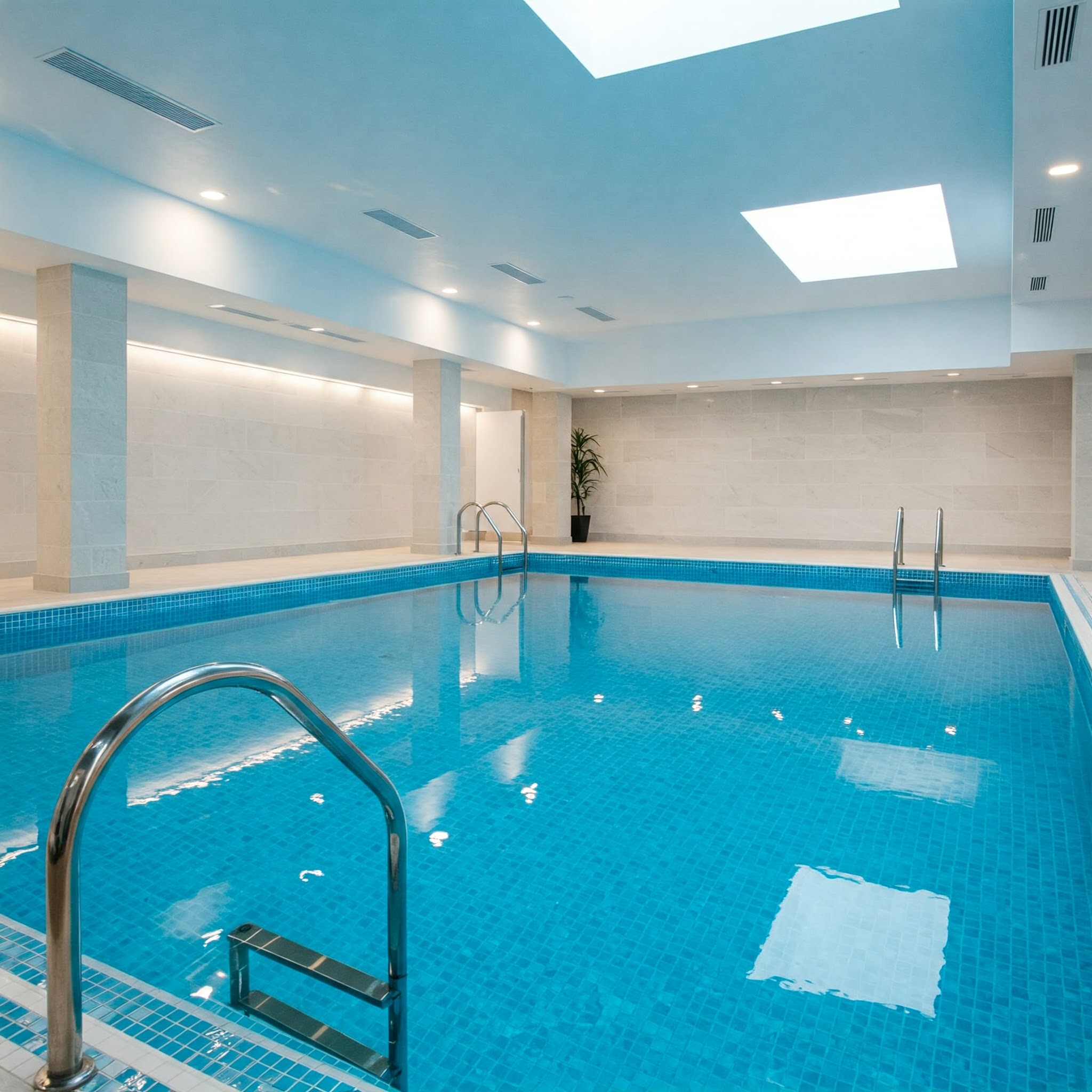
When it comes to surviving the blazing Las Vegas heat, nothing beats slipping into your private pool. But before you dive into pool ownership, there’s one important decision to make—saltwater or chlorine? Both systems keep your water sanitized and swim-ready, but they do it in very different ways. And in the unique desert climate of Las Vegas, your choice could impact more than just water clarity. It could affect long-term maintenance, costs, and even how your skin feels after a swim.
Let’s explore the differences between these two pool water systems so you can choose the best fit for your desert oasis.
Understanding Saltwater Pools in Las Vegas
Saltwater pools sound like they came straight out of a tropical resort—and in some ways, they did. But don’t be fooled: they’re not filled with ocean water. Instead, they use a salt chlorinator to convert dissolved salt into chlorine, which sanitizes your pool water.
In Las Vegas, saltwater pools have surged in popularity for a few key reasons:
- Gentler on the skin and eyes: Swimmers often report that the water feels “silkier” and less irritating.
- Lower long-term chemical costs: You won’t need to regularly buy and add chlorine tablets or liquid.
- Consistent sanitation: Saltwater systems provide a steady, controlled level of chlorine.
However, it’s not all smooth sailing. The high temperatures and low humidity in Las Vegas can accelerate salt cell degradation. Also, salt is mildly corrosive, especially around metal fixtures, pool decks, and stone coping—materials that are common in Las Vegas backyard designs. Regular inspection and proper sealing are musts.
The Case for Traditional Chlorine Pools
Chlorine pools are the classic standard—and for good reason. They’re familiar, widely used, and provide powerful disinfection. You can find chlorine in tablets, powder, or liquid form, making it a flexible solution for many homeowners.
Here’s a breakdown of chlorine pools’ pros and cons:
Pros:
- Initial cost is lower: No expensive salt chlorinator system needed.
- Fast-acting sanitation: Chlorine is effective at killing bacteria and algae.
- Better suited for variable weather: You can quickly adjust chlorine levels if needed.
Cons:
- Ongoing chemical costs: You’ll need to regularly buy and store chlorine.
- Skin and eye irritation: The chemicals can be harsh, especially in hot climates.
- More maintenance oversight: Las Vegas’ heat can quickly break down chlorine, requiring frequent testing and adjustments.
In short, if you’re diligent about testing and don’t mind a bit of hands-on maintenance, chlorine pools offer reliable sanitation with minimal upfront costs. But if you’re sensitive to chemical exposure, it may not be the most comfortable swim.
Comparing Pool Water Systems for Las Vegas Homes
When comparing pool water systems in Las Vegas, you have to account for climate, cost, and convenience. The desert environment brings unique challenges—intense sun exposure, high evaporation rates, and mineral-heavy water.
Let’s break it down:
| Feature | Saltwater Pool | Chlorine Pool |
| Initial Cost | Higher (equipment installation) | Lower |
| Maintenance Cost | Lower over time (fewer chemicals) | Higher (ongoing chemical purchase) |
| Skin & Eye Sensitivity | Gentler on swimmers | More irritating for some |
| Equipment Lifespan | Salt may corrode certain materials | Less risk of corrosion |
| Climate Compatibility | Needs careful sealing & cell maintenance | Easier to adjust in extreme heat |
| Ease of Use | Automated chlorine generation | Manual dosing and adjustments |
No system is perfect. The right choice depends on how hands-on you want to be and what kind of experience you expect from your pool.
Desert Pool Care Tips for Either System
Regardless of which system you choose, Las Vegas demands a strategic approach to pool maintenance. Desert pool care isn’t about reacting—it’s about staying ahead of the elements.
Here are a few climate-specific tips that apply to both saltwater and chlorine systems:
- Top off your pool regularly: Evaporation is constant in the summer. Low water levels can damage your pump and affect chemical balance.
- Invest in a pool cover: Reduce heat loss, minimize dust, and preserve your water chemistry.
- Schedule weekly water tests: The heat can quickly throw off pH and sanitizer levels.
- Clean your filters often: Desert dust, pollen, and debris can clog up your system fast.
- Seal your pool deck and coping: Especially important for saltwater pools to prevent surface damage from salt creep.
Las Vegas may be hot and dry, but that doesn’t mean your pool maintenance has to be a hassle—if you play your cards right.
Choosing the Right Pool Chemical Options for Your Lifestyle
Your lifestyle plays a big role in choosing between saltwater and chlorine pool chemical options. If you travel often, a saltwater system’s automation might be worth the investment. If you enjoy hands-on projects and don’t mind regular pool chemistry, chlorine gives you direct control and instant adjustability.
For families with children or sensitive skin, saltwater might feel more comfortable. But for short-term renters or property managers, chlorine can be easier to monitor across multiple properties.
The best pool chemical option is the one that aligns with your time, budget, and priorities.
Ready to Make the Right Pool Decision?
Don’t let pool chemistry confuse you. Whether you’re building a new backyard escape or upgrading an existing system, Las Vegas Pools can help you find the right fit. Our experts design and maintain both saltwater and chlorine pools across the Vegas Valley, always tailored to your needs and the desert climate.
Schedule a consultation today and dive into clarity—not just water.
FAQ
Which is cheaper in the long run—saltwater or chlorine?
Saltwater pools cost more upfront but save on chemical expenses over time. Chlorine pools have lower initial costs but require regular chemical purchases.
Do saltwater pools work well in desert climates like Las Vegas?
Yes, but they require extra care to prevent corrosion. Sealing surfaces and regular equipment checks are essential.
Is the water really salty in a saltwater pool?
No—it’s about 1/10th the salinity of ocean water. Most people can’t even taste the salt.
Can I convert my chlorine pool to saltwater?
Absolutely. Many homeowners retrofit their existing systems with a salt chlorinator and make the switch.
Which pool system is easier to maintain?
Saltwater pools offer more automation, while chlorine pools require more hands-on chemical balancing. It depends on how involved you want to be.